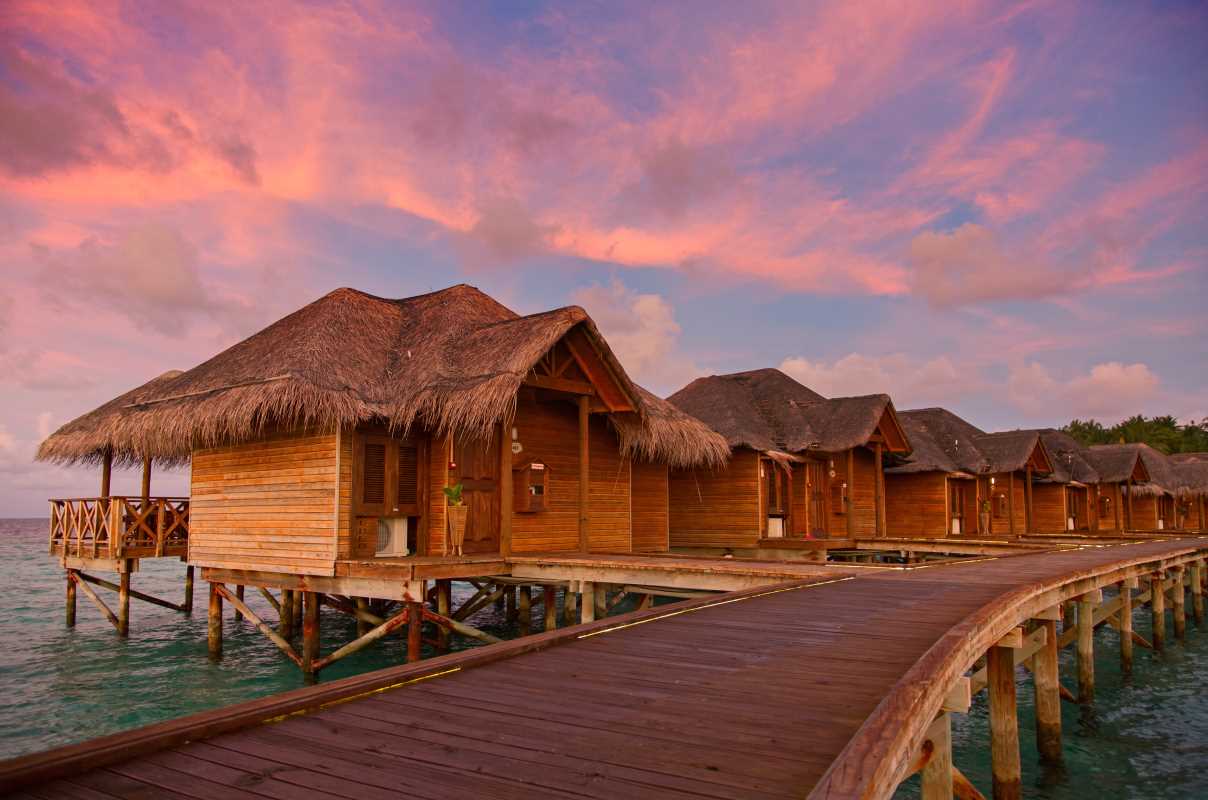
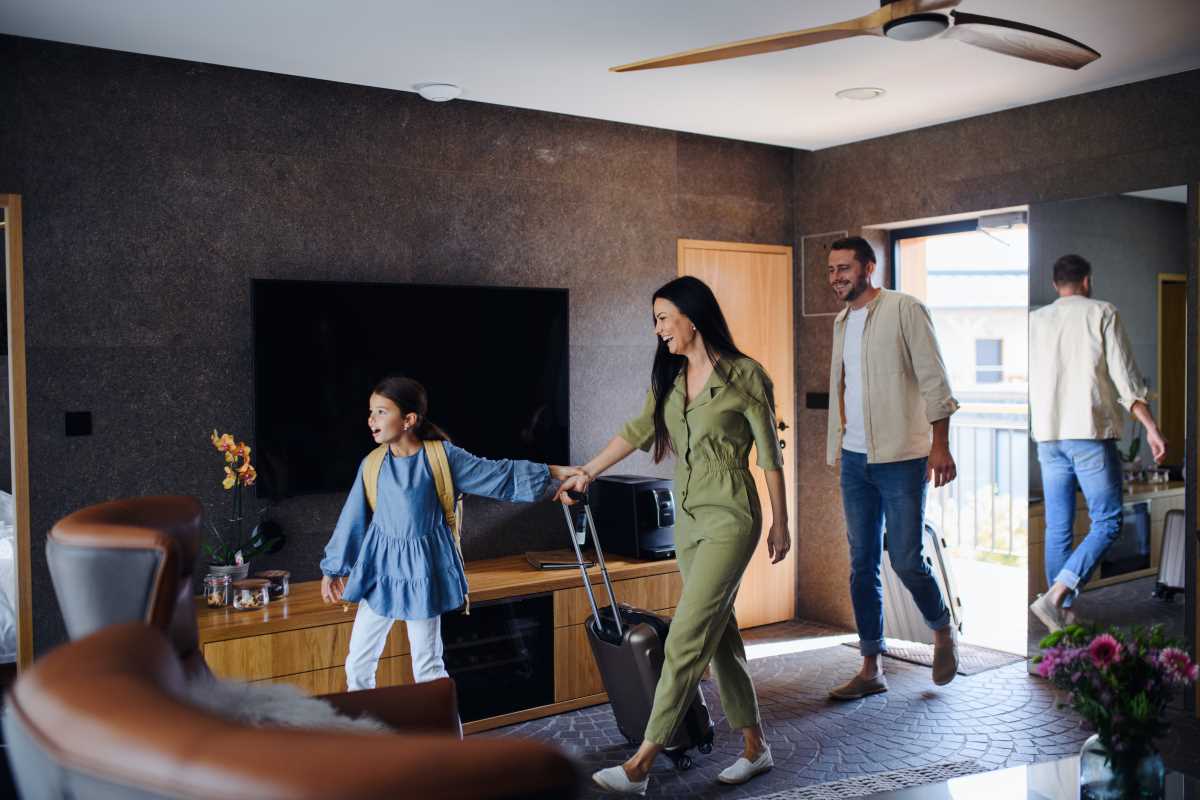
 (Image source: Gemini)
 You know that feeling when you land after a long flight, your back is aching, and you realize you paid three hundred dollars more than the person in the seat next to you? It is a total gut punch. For a long time, the travel world was split into two camps. You were either a "budget backpacker" eating cold beans in a hostel or a "luxury traveler" dropping mortgage-sized payments on first-class suites. But things have changed. In 2026, the smartest travelers are playing a different game. They are focused on value-optimization. This means using specific techniques to shave 20% to 40% off the total bill while actually making the trip more relaxing. It is about being a savvy strategist rather than a penny-pincher. So, how do you actually pull this off without spending forty hours a week staring at spreadsheets?
Booking Windows and Off-Peak Travel
Timing is everything. You have probably heard that booking on a Tuesday at midnight is a magic trick, but that is mostly a myth now. The reality is more about the "Goldilocks" window. For domestic flights, you want to hit that sweet spot between 21 and 60 days before you leave. If you book too early, the airline hasn't started its competitive pricing. If you book too late, they know you are desperate.
For international trips, you need a much longer lead time. Experts suggest a window of two to eight months. If you are looking at 2026 travel, the data shows that booking on a Sunday can save you up to 17% on international fares¹. It is the digital equivalent of catching the store right before a restock. And if you can swing a mid-week departure, specifically on a Tuesday or Wednesday, you are looking at an average saving of about $90 per ticket¹.
Have you ever considered the "shoulder season"? This is the period between the peak summer rush and the dead of winter. Traveling in May, June, September, or October is the ultimate comfort hack. You get the same beautiful weather but without the shoulder-to-shoulder crowds. In places like Disney World, going in September instead of December can make your tickets 33% cheaper. It is a lot easier to enjoy a vacation when you aren't fighting for a square inch of sidewalk.
Your Itinerary and Comfort
One of the biggest mistakes people make is trying to see "all of Europe" in ten days. It sounds productive on paper, but in reality, you spend half your vacation in train stations and security lines. This is where the "One-City" rule comes in. Instead of bouncing between three cities in a week, pick one and stay there.
Staying in one place longer reduces transit stress and unlocks massive discounts. Many rental platforms like Airbnb offer "Slow Travel" discounts of 5% to 15% if you stay at least seven nights. If you can push that to a full month, those discounts often jump to 30% or even 50%. Suddenly, a month in a beautiful apartment in Portugal might cost less than your monthly rent back home.
When you do choose a home base, prioritize walkability. It might cost $20 more per night to be in a walkable neighborhood, but you will save $50 a day on Uber and trains. Plus, there is a specific kind of comfort in being able to walk two blocks for a morning coffee rather than navigating a complex bus schedule before you have had your caffeine.
Smart Packing and Luggage Management
Let's talk about the physical burden of travel. Dragging a 50-pound suitcase over cobblestone streets is the fastest way to ruin your mood. The "carry-on only" lifestyle is not just for minimalists anymore. It is a financial approach. By avoiding checked bag fees, you are saving $60 to $100 per round trip. More importantly, you are eliminating the anxiety of lost luggage.
Think of your gear as an investment. High-quality luggage with 360-degree spinner wheels and durable zippers reduces the physical strain on your wrists and back. It also prevents the "emergency replacement" cost that happens when a cheap bag explodes in the middle of a terminal.
To keep things organized, use packing cubes. They are the digital equivalent of folders on your computer. Instead of digging through a mountain of clothes to find one pair of socks, you just grab the specific cube you need. This keeps your living space tidy, which, believe it or not, significantly reduces travel burnout. When your environment is chaotic, your brain feels chaotic too.
Digital Tools for Seamless Logistics
Planning fatigue is real. In the past, it took travelers over 30 hours to piece together a complex itinerary. In 2026, AI tools are doing the heavy lifting. Apps like Nxvoy and Mindtrip use real-time data to build logical routes that prevent "backtracking." There is nothing worse than realizing you traveled across town for a museum that was right next to your lunch spot the day before.
One of the best ways to reduce costs and stress is by using "Destination Dupes." These are places that offer a similar vibe to famous spots but at a fraction of the price. Instead of the crushing crowds and high prices of Prague, try Tbilisi, Georgia. You can get by on a daily budget of $30 to $40 there. Or look at the Algarve in Portugal, which has been ranked as a top value destination for 2026². A three-course dinner for two with wine averages about $52. Compare that to New York or London, and the savings are staggering.
Don't forget the small tech wins. Switching to an eSIM provider like Airalo can save you $10 to $15 per day compared to international roaming plans from your home carrier. It takes thirty seconds to set up and works the moment you touch down. No more hunting for a local SIM card shop while you are jet-lagged.
Loyalty Programs and Credit Card Perks
You don't need to be a "travel hacker" with forty credit cards to benefit from loyalty programs. Even basic memberships can offer major comfort upgrades. Like, when choosing a seat, aim for the area over the wings for better stability during turbulence³. If you want a quieter experience, head to the front of the cabin to stay away from the engine noise.
If you are traveling as a duo, try the "Empty Middle" hack. On a plane with three seats on each side, book the window and the aisle. Since middle seats are the last to be assigned, you have a high chance of having an empty seat between you. If someone does show up, they will almost always be happy to trade their middle seat for your aisle or window so you can sit together.
Finally, look at your credit card benefits. Many premium cards now credit back the fee for TSA PreCheck, which allows 93% of users to wait less than five minutes in security⁶. They also offer lounge access. Instead of paying $50 for a soggy airport sandwich and a plastic chair, you can sit in a quiet lounge with free food, drinks, and high-speed Wi-Fi. It turns the most stressful part of travel into a genuine break.
- Nxvoy Trips: This AI planner is excellent for building logical itineraries that minimize transit time.
- Airalo eSIM: The most reliable way to stay connected without paying predatory roaming fees.
- Gondola AI: Use this tool to figure out exactly when you should use your points versus when cash is the better deal⁷.
This article on Travelswat is for informational and educational purposes only. Readers are encouraged to consult qualified professionals and verify details with official sources before making decisions. This content does not constitute professional advice.