 (Image via
Food is often the most memorable part of any journey. It is not just about sustenance; it is a direct line to the heart of a culture. When you think back on a trip, you might not recall the specific paintings in a museum, but you almost certainly remember the taste of a hot pastry bought from a street corner vendor. These culinary encounters create lasting impressions that define our travel experiences. We will explore how street food acts as a cultural ambassador and an emotional anchor for travelers. You will learn why these simple meals often leave a deeper impact than fine dining and how they connect us to the local way of life. This guide will help you understand the profound relationship between flavor, place, and memory.
The Cultural Significance of Street Food
Street food is much more than a quick bite to eat. It is an edible history lesson that reveals the soul of a destination. Every stall and cart tells a story about the local agriculture, history, and community. Unlike restaurants that might cater specifically to tourists, street food is primarily made for locals. This authenticity allows travelers to step into the daily rhythm of a city.
Access to Authentic Local Life
Eating on the street removes the barriers between the visitor and the host. There are no reservations, dress codes, or language barriers that cannot be solved with a smile and a gesture. You stand shoulder-to-shoulder with residents on their lunch break or families enjoying an evening snack. This proximity offers a unique window into local customs and social interactions.
For example, in Vietnam, the sidewalk is a communal living room. Tiny plastic stools fill the pavement as people gather to eat banh mi or pho. Joining this scene allows you to observe the flow of traffic, the banter between neighbors, and the meticulous preparation of food right before your eyes. It grounds you in the present moment and the specific reality of that place. This participation transforms you from a passive observer into an active participant in the local culture.
A Reflection of History and Migration
The ingredients and techniques used in street food often trace the movement of people and cultures over centuries. A single dish can reveal layers of colonial history, trade routes, and immigration patterns. Understanding these origins adds a rich context to what you are eating.
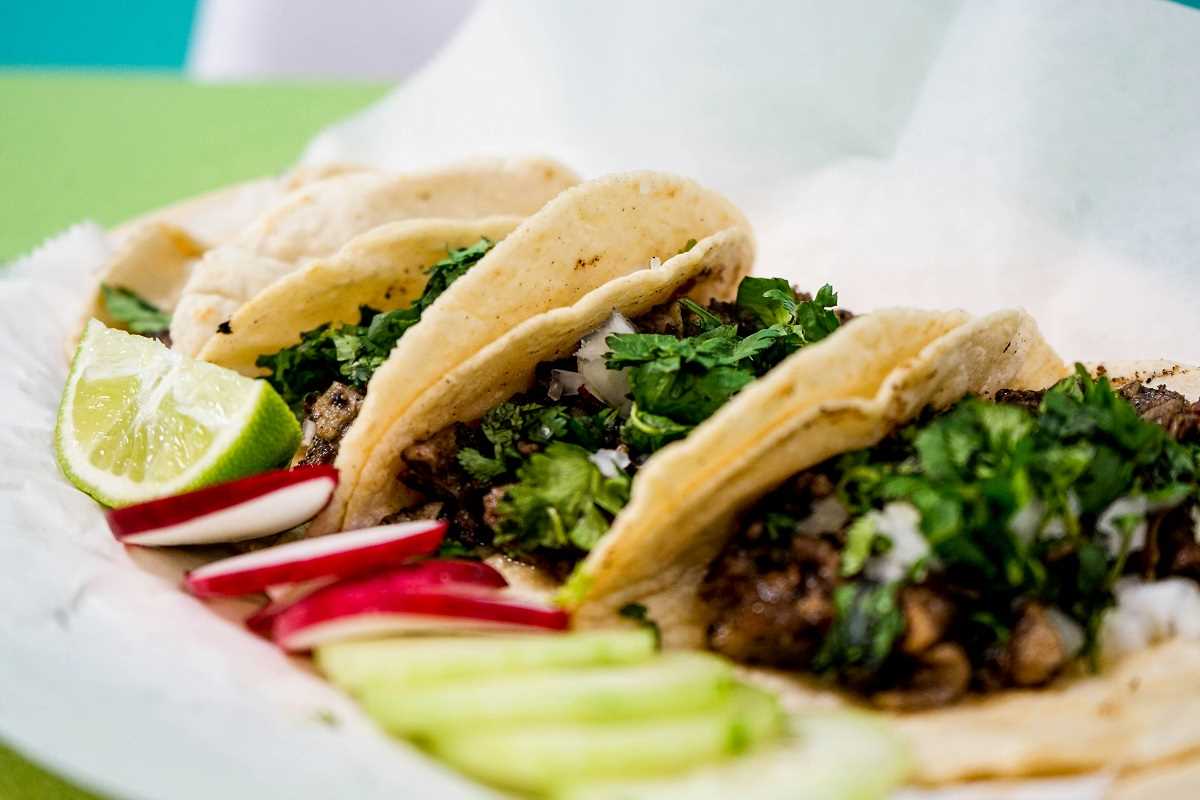
Consider the "tacos al pastor" found throughout Mexico. This beloved dish features pork roasted on a vertical spit, served on small corn tortillas with pineapple. Its origins trace back to Lebanese immigrants who brought the technique of shawarma to Mexico in the early 20th century. The vertical roasting method remained, but the lamb was replaced with pork and the pita with tortillas. Tasting this dish is tasting a specific intersection of cultures. Recognizing these connections deepens your appreciation for how regions evolve and adapt over time.
The Sensory Imprint on Memory
Our memories are strongly linked to our senses. Smell and taste, in particular, have a direct pathway to the parts of the brain responsible for emotion and memory. This is why a specific scent can instantly transport you back to a moment from years ago. Street food engages all five senses, creating a powerful and enduring mental imprint.
The Power of Scent and Sound
The experience of street food begins long before you take the first bite. The aroma of spices frying in oil, charcoal smoke, or sweet caramelized sugar acts as a siren song. These smells become inextricably updated with the location. The scent of roasted chestnuts might forever remind you of a winter evening in Istanbul or New York City.
Sound plays a crucial role as well. The sizzle of a wok, the chopping of cleavers, and the vendor's call are part of the symphony of the street. In Bangkok, the rhythmic pounding of a mortar and pestle signals the preparation of som tum (green papaya salad). These auditory cues build anticipation and excitement. When you recall the trip later, your brain reconstructs the entire sensory landscape, making the memory vivid and emotional.
Emotional Anchors and Nostalgia
Travel can sometimes be overwhelming or exhausting. In these moments, a comforting meal acts as an emotional anchor. Discovering a delicious, affordable snack can turn a bad day around and become a highlight of the trip. These positive emotional associations make the food even more memorable.
This phenomenon explains why travelers often feel a sense of nostalgia for foods they only ate once or twice. The memory is not just about the flavor; it is about how the food made them feel—adventurous, comforted, or connected. You might find yourself craving a specific crepe from Paris not just because it was tasty, but because you ate it while watching the sunset over the Seine. That specific combination of sensory pleasure and emotional context is what makes travel memories stick.
Accessibility and Economic Connection
One of the most defining characteristics of street food is its accessibility. It is democratic food, available to everyone regardless of budget. This low barrier to entry encourages travelers to be more adventurous and try things they might otherwise avoid in a formal setting.
Supporting Micro-Economies
Buying street food is a direct way to support the local economy. Your money goes straight into the hands of the vendor, often a family-run operation. This transaction creates a personal connection that is lacking in large chain restaurants. You can see exactly where your money is going and the effort required to earn it.
This economic exchange fosters a sense of mutual respect. In places like Marrakesh’s Jemaa el-Fnaa square, the nightly food market is the economic heartbeat of the area. Visitors and locals circulate among hundreds of stalls selling grilled meats, snails, and fresh juices. Participating in this commerce helps sustain traditional culinary practices that might otherwise disappear in the face of modernization. It ensures that these cultural treasures remain viable for future generations.
Encouraging Culinary Courage
The low cost and casual nature of street food lower the stakes for experimentation. You are more likely to try an unfamiliar ingredient when it is just a small snack rather than a full, expensive entree. This encourages culinary courage and broadens your palate.
Travelers who might be hesitant to order a full plate of octopus in a restaurant might happily try takoyaki (octopus balls) from a street stall in Osaka. The bite-sized portion and the watching of the cooking process make the unknown approachable. These small risks often lead to the biggest discoveries. You learn that you enjoy flavors you never expected, expanding your understanding of what is delicious. These moments of discovery become stories you tell for years to come.
Navigating Street Food Safely
Exploring street food requires some knowledge to ensure a safe and enjoyable experience. Hygiene standards vary, but there are universal signs of quality and safety that you can look for. Being observant allows you to enjoy these culinary delights without worry.
Follow the Crowds
The most reliable indicator of good, safe street food is a long line of locals. Residents know which vendors offer fresh, tasty food and which ones to avoid. A stall with high turnover means the food is cooked fresh and does not sit out for long periods. This reduces the risk of spoilage and ensures you are getting a hot meal.
Watch the Preparation
One of the safety advantages of street food is transparency. You can see exactly how your food is handled and cooked. Look for vendors who cook to order rather than serving food from a pile that has been sitting. High heat kills bacteria, so ensure your food is steaming hot when it is handed to you. Observe the cleanliness of the workspace and the habits of the cook. This vigilance allows you to make informed decisions about where to eat.